By Geoffrey Ménissier, published on , updated on .
Also available in: 🇫🇷 🇪🇸 🇵🇹 🇩🇪 🇮🇹 🇳🇱
In short
Our second visit to the Loire Valley châteaux, this time in summer. We stayed in Tours and visited 5 châteaux we had not seen the first time: Azay-le-Rideau, Rivau, Villandry, Ussé and Langeais.
0 comments
After a week on the Cotentin peninsula, we headed to Sandrine's parents in Poitiers. On the way, we stopped for 3 days in Tours to visit the Loire Valley châteaux. It was our second visit to the region, after our road trip in 2018, so we picked châteaux we had not seen the first time.
In winter, we had chosen châteaux known for their interiors. This time, in summer, we went for the ones famous for their gardens.
If you plan to hire a car, compare rental prices on Discover Cars.
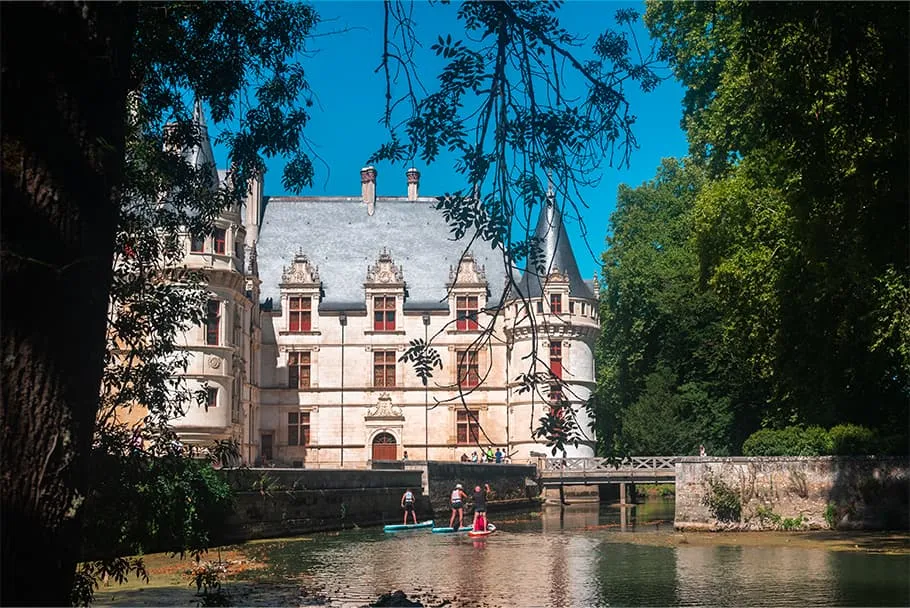
In 2018, we had only driven past the château of Azay-le-Rideau: it was 1 January and, unfortunately, it was closed. This time it was open! Once through the big gates, we bought our tickets. Sandrine has a French teachers' pass (Pass Enseignant), which gets her a reduced rate, and entry was free for Victor, who was 2. Good to know: most of the châteaux are partnered, so a ticket for one gets you a discount at another. You can also get there by train from Tours.
We started with the château itself. Its medieval core dates from the 12th century and, like all the Loire châteaux, it was remodelled during the Renaissance, here from 1518. The most recent restoration took place in 2017, mainly on the roof. The château stands on a small island in the middle of the Indre. We then strolled through the landscaped park before heading out for lunch at the (very good) restaurant Côté Cour. While Victor had his nap, we relaxed on the banks of the Indre, near one of the château car parks. You can hire kayaks and paddle along the river.
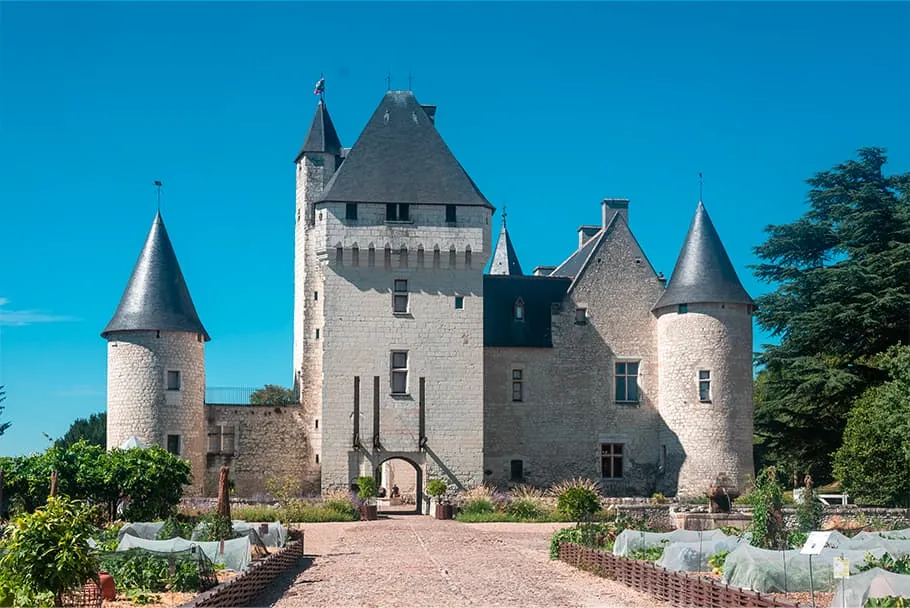
Our second visit of the day was the château of Rivau. It feels more “medieval”: its keep, moat and drawbridge did not disappear in the Renaissance. Its stables made its name, and it was here that Joan of Arc came to fetch horses before joining the siege of Orléans. This time we explored the gardens, the kitchen garden and the orchard before going inside the château.
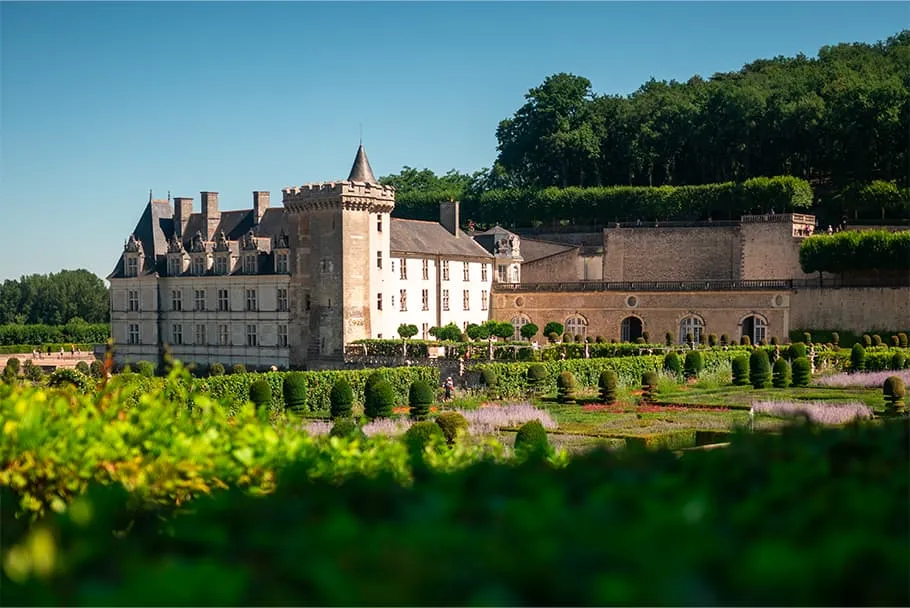
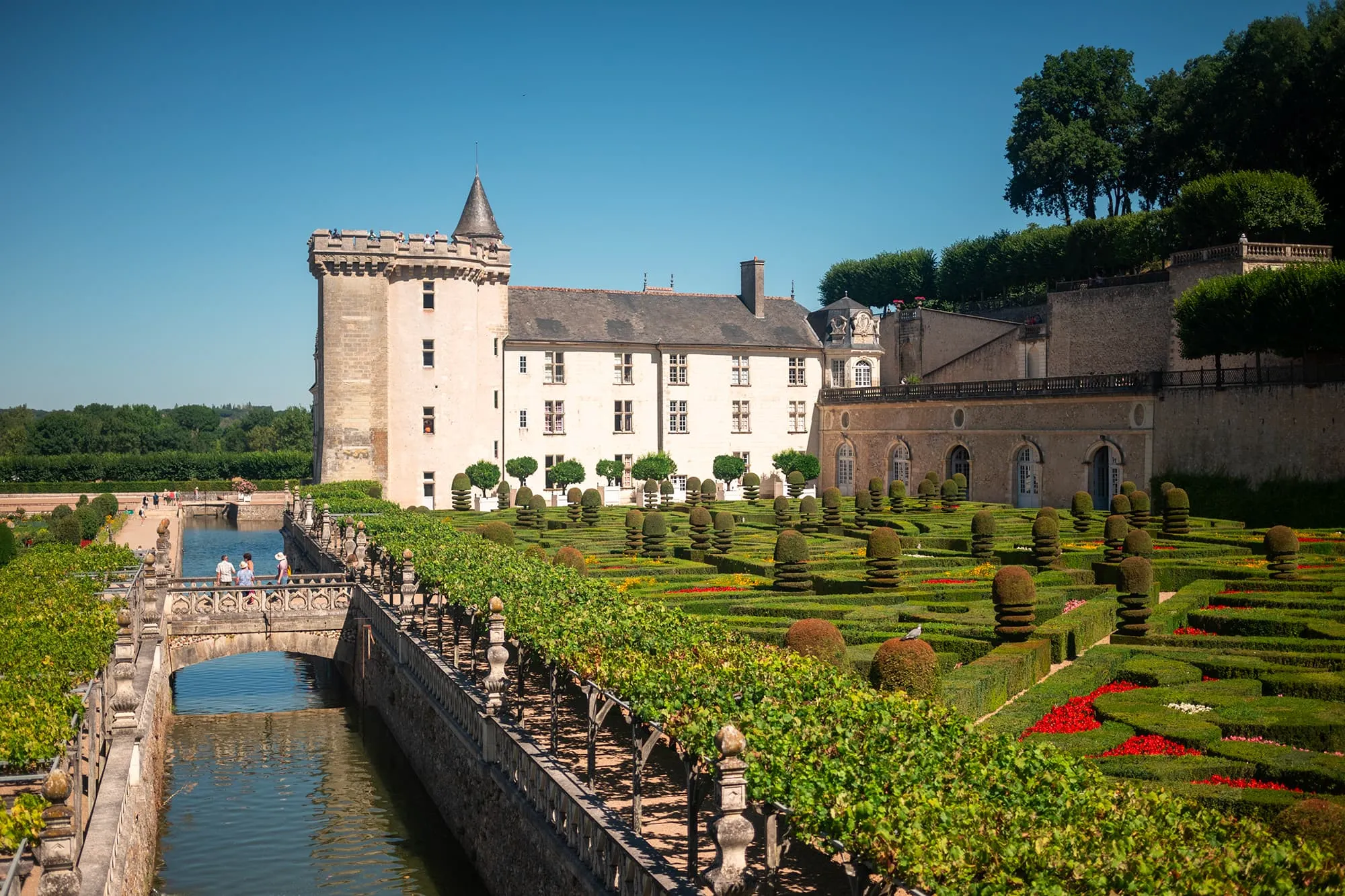
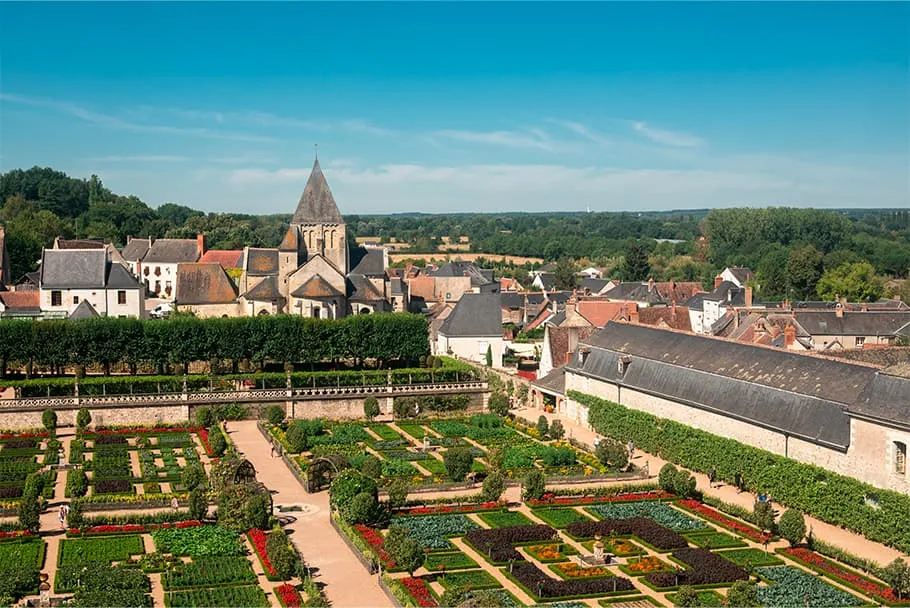
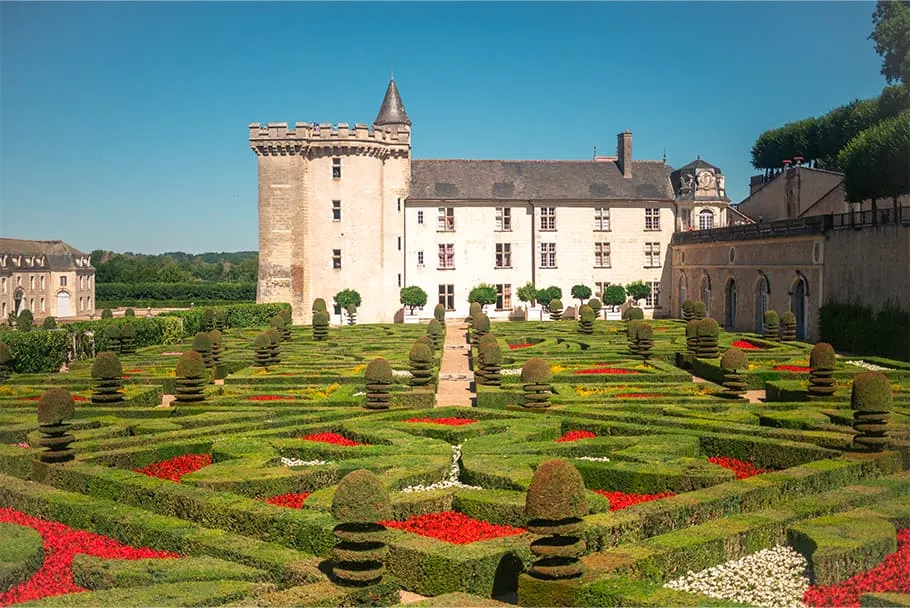
On our second day, we headed for Villandry. This 16th-century château is considered one of the last great palaces built on the banks of the Loire, so it benefited from everything learned during the French Renaissance. We admired the vast gardens, laid out on four levels of terraces. The interior is richly decorated, and you soon understand where the French expression “la vie de château” (living the high life) comes from. At the end of the Hundred Years' War, defence was no longer the main concern: châteaux became places to live, and comfort came first. After the visit, we had lunch in Villandry, with crêpes at l'Épicerie Gourmande.
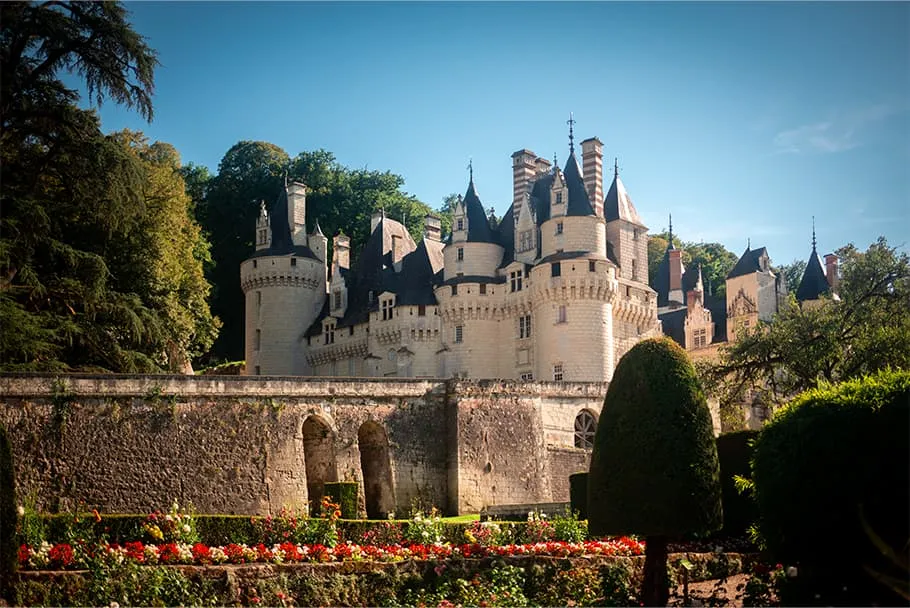
The afternoon was devoted to the château of Ussé. It is nicknamed the “Sleeping Beauty castle”, as it is said to have inspired Charles Perrault's fairy tale (and later Disney's film). The rooms along the wall walk even stage scenes from the story. As well as the château, you can visit the chapel, the cellars and the orangery. In the courtyard, you can admire magnificent cedars of Lebanon planted 200 years ago. The garden is more modest than Villandry's, but the bouquets arranged around the château smell wonderful!
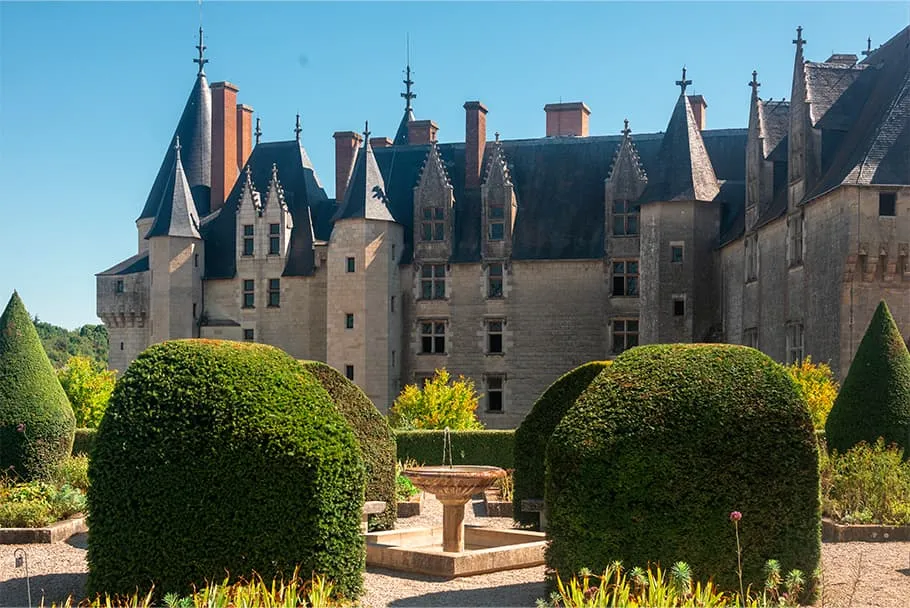
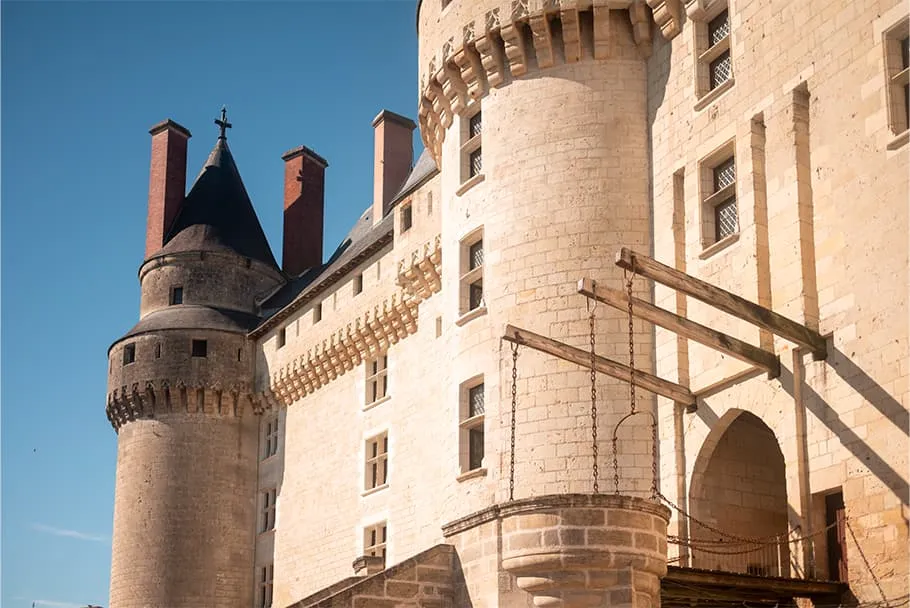
This was the last day of our stay in the Loire Valley. So as not to arrive in Poitiers too late, we visited only one château that day. The lucky winner was Langeais. It is also rather medieval, with its drawbridge. Beyond the château and its park, you can see the ruins of the old 10th-century fortress, which now houses a falconry. Inside, you will find historical reconstructions with wax figures, as well as several explanatory videos. The wall walk takes you almost all the way round the château.
Our entrance ticket included a small tasting of Bourgueil wine in the cellar opposite the château entrance. We took the opportunity to buy a case as a souvenir, which marked the end of our visit. Feel free to leave a comment or ask a question at the bottom of the page. See you soon.
(You sometimes need to zoom in quite closely on the area you are looking at for activities to appear.)
Enjoyed this article? Pin it on Pinterest.
Follow us on social media to hear about our next trips. Feel free to leave a comment or ask a question at the bottom of the page. See you soon.