By Geoffrey Ménissier, published on , updated on .
Also available in: 🇫🇷 🇪🇸 🇵🇹 🇩🇪 🇮🇹 🇳🇱
In short
8 Loire Valley châteaux, chosen mainly for their fame: it was our first visit to the region, so we did the classics.
0 comments
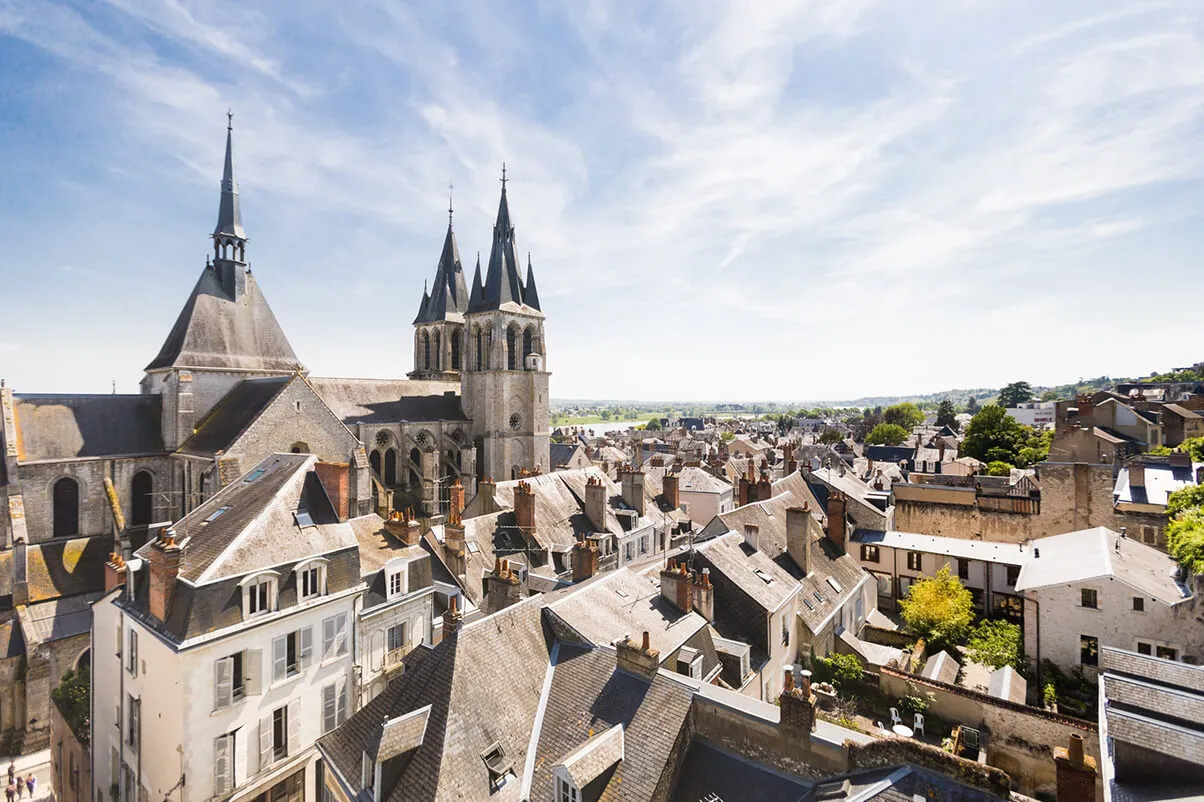
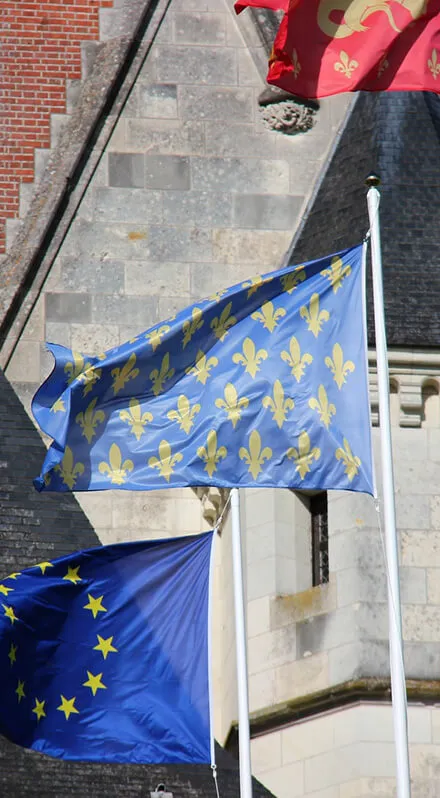
After a week-long road trip in Brittany, we decided to visit a new corner of France. This time, we suggest a four-day tour of the Loire Valley châteaux. It was 1 January 2018: we had just spent New Year's Eve in Mauzac, near Rochefort, with friends, and we were driving back to Paris in a rental car found on Getaround (save €15 on your first rental with this link). We had 4 days to travel up the Loire, and a fifth that would be devoted to visiting Vaux-le-Vicomte.
In just four days, we could not see all the châteaux: there are around 3,000 that go by the name of Loire Valley châteaux. They were all built or heavily remodelled during the Renaissance. We planned two or three a day and, as it was January, we crossed off our list those mainly known for their gardens.
Given the time available, we settled on a list of 8 châteaux chosen mainly for their fame: it was our first visit to the region, so we did the classics. The lucky winners were Amboise, the Clos-Lucé, Blois, Chenonceau, Chinon, Azay-le-Rideau, Chaumont-sur-Loire, Chambord and Cheverny.
We did this road trip without our camera, and the few pictures taken with an iPhone 4 at the time are not good enough to use on the blog, so I have used a few photos from royalty-free image banks (with credits).
Our route first took us to Azay-le-Rideau, where the roof renovation had just been completed. We could only admire the château from the outside, as it was closed on 1 January. It was already late afternoon after a long drive: we had a crêpe in the only brasserie open, then made our way to our hotel in Chinon. I should rather say our “château”, as we stayed at Au Relais Saint-Maurice, in a 13th-century building. All the rooms had recently been redone; ours, which was spacious, cost us €85. There is also a large dining room and a lounge, all beautifully decorated for the festive season. The owner gave us a royal welcome. In the evening, we ate at McDonald's: once again, it was the only place open.
In the morning, we had a hearty breakfast at the relais, cooked by the owner with regional produce: it was really delicious. We then visited the château of Chinon.
It was the oldest one we visited. Set on a rock, it is divided into 3 parts: Fort Saint-Georges, the Château du Milieu and Fort du Coudray. The royal lodgings were decorated for the festive season, as we would find in all the other châteaux. The official website of the Royal Fortress of Chinon tells in detail the story of the counts of Blois and Anjou and of the Plantagenets, who occupied Chinon in turn.
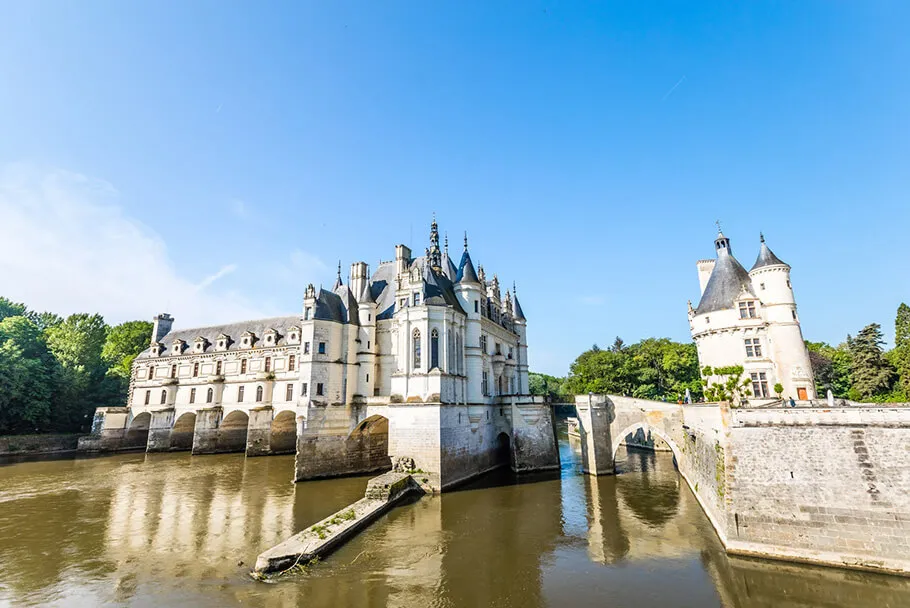
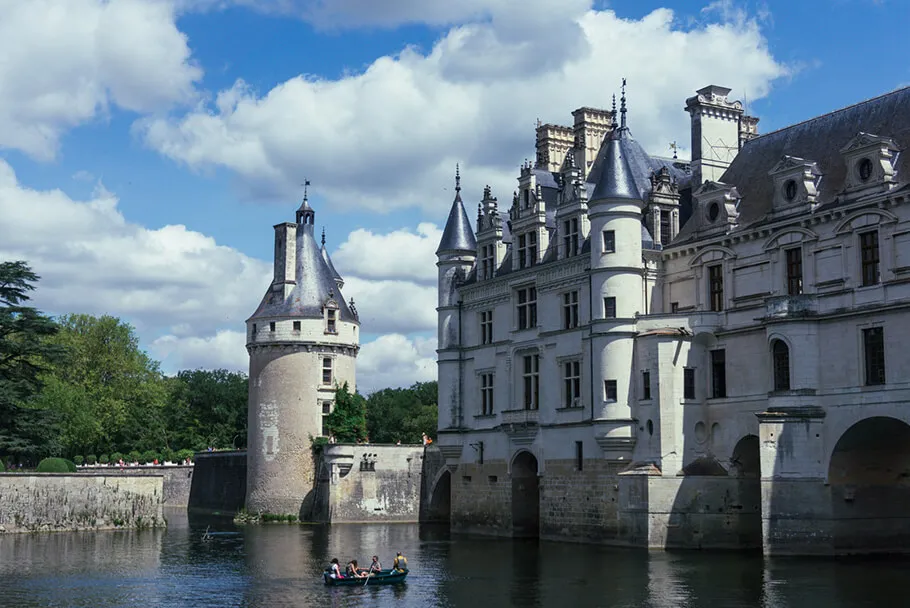
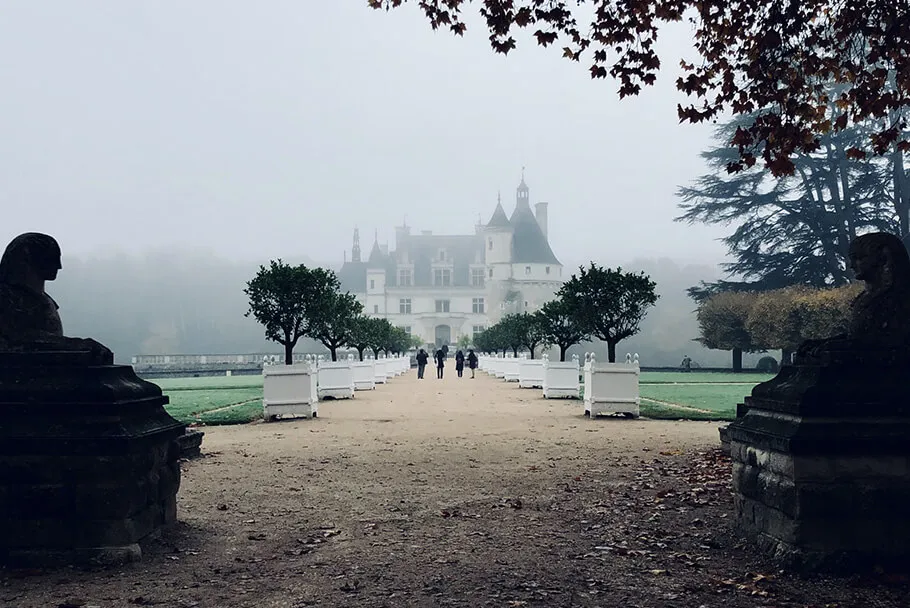
In the afternoon, we drove to the château of Chenonceau. We started with the park before visiting the interior.
The château, famous for spanning the Cher, is also nicknamed the “Château des Dames” (the Ladies' Château), as it belonged to famous women, including Diane de Poitiers and Catherine de' Medici. The château is furnished: we visited the different floors telling its history, and the richly decorated kitchens. The park is large and includes Catherine de' Medici's gardens. The château also played a role during the Second World War: as it stood on the demarcation line, it was a passage to the free zone for the Resistance.
In the late afternoon, we reached our second place to stay, near Amboise, and this time it really was a château: the Château de Nazelles, found on Sawdays, a website of special places to stay. The night cost us €100.
Home to the Lords of Nazelles through the ages, the current building dates from the 16th century. Its owner, Thomas Bohier, had Chenonceau built, among others. The place has 5 bedrooms, a cottage, a swimming pool open in summer and a large lounge with a billiard table. Unfortunately, we could not enjoy it: we both had food poisoning, probably caught at the crêperie in Azay-le-Rideau. We slept from 4pm until the next morning.
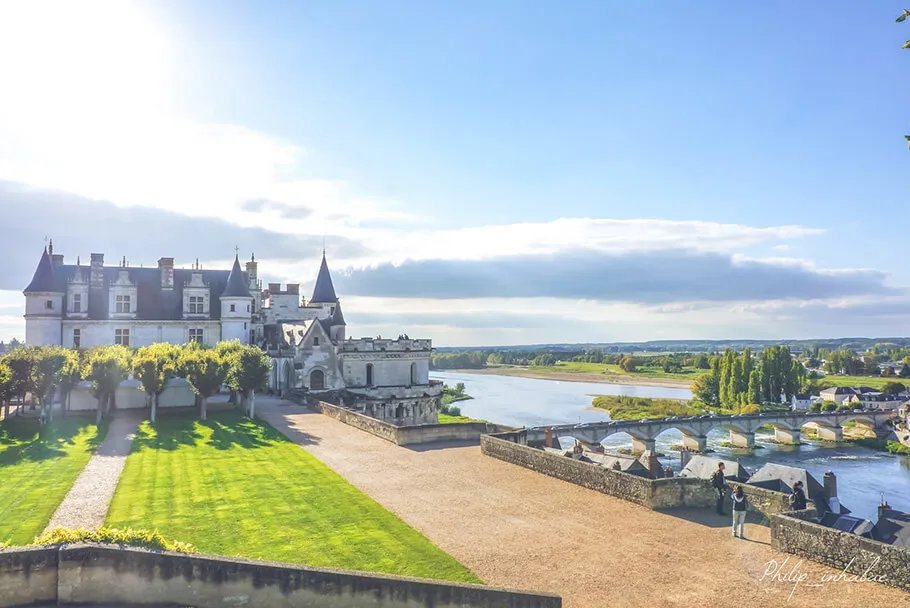
In the morning, not quite recovered, we still tried to enjoy breakfast, also made with local produce. Like the day before, it was really delicious. After checking out and chatting a little with the friendly owner, we set off to visit Amboise, its château and the Clos-Lucé. At the château, we decided to take the guided tour to learn as much as possible about the place.
Amboise was the residence of several kings of France during the Renaissance, but a large part of the château was destroyed during the Revolution. Leonardo da Vinci, who died in Amboise in 1519, rests in the Chapelle Saint-Hubert.
Once the visit was over, we went straight on to the Clos-Lucé, known as Leonardo da Vinci's home. Many of the inventor's objects and models are on display there.
To end this three-château day, we visited Chaumont-sur-Loire and its famous stables, built in 1877. At the end of the 19th century, they were considered the most luxurious and modern in Europe. That day, the château was also hosting a contemporary art exhibition.
In the evening, we had booked a room at the Mercure hotel in Blois. Less prestigious than our previous stays, it was chosen because it has a spa (a pool, a jacuzzi, a hammam and a sauna). The night cost us €110. We made the most of it in the evening before going to eat at a nearby restaurant, Le Vespa, an Italian where we had tagliatelle with cuttlefish and crayfish. It was very good.
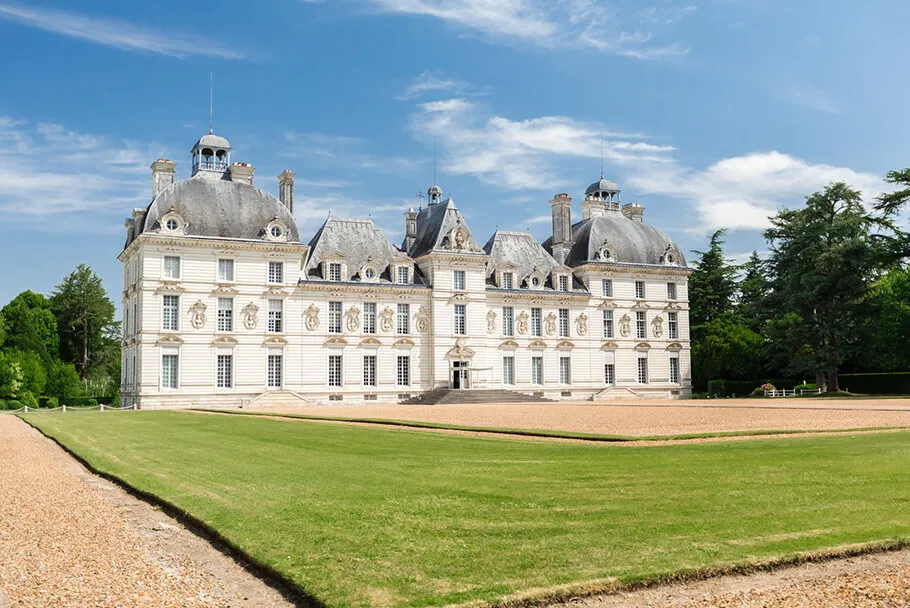
Before setting off again, we visited Blois and its town centre. We climbed the many steps leading to the cathedral, then headed to the château, which we only saw from the outside. After breakfast at a bakery, we drove on to the château of Cheverny. It is one of the most visited châteaux, but it is still lived in by its owners. It is known for having inspired Hergé's drawing of Marlinspike Hall (Moulinsart). We also walked in the gardens, nearly 100 hectares, where we saw the kennels and their pack of hunting hounds.
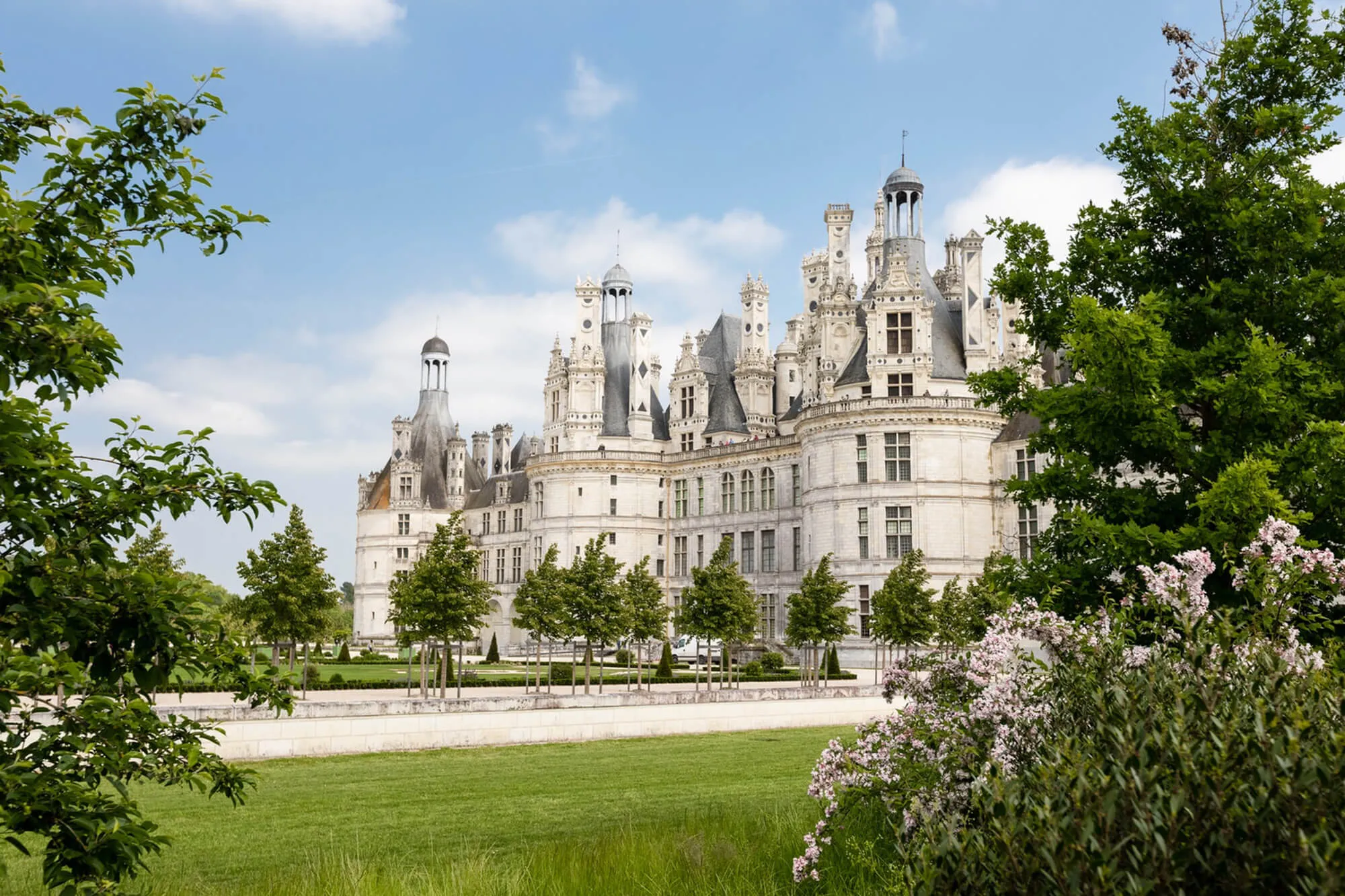
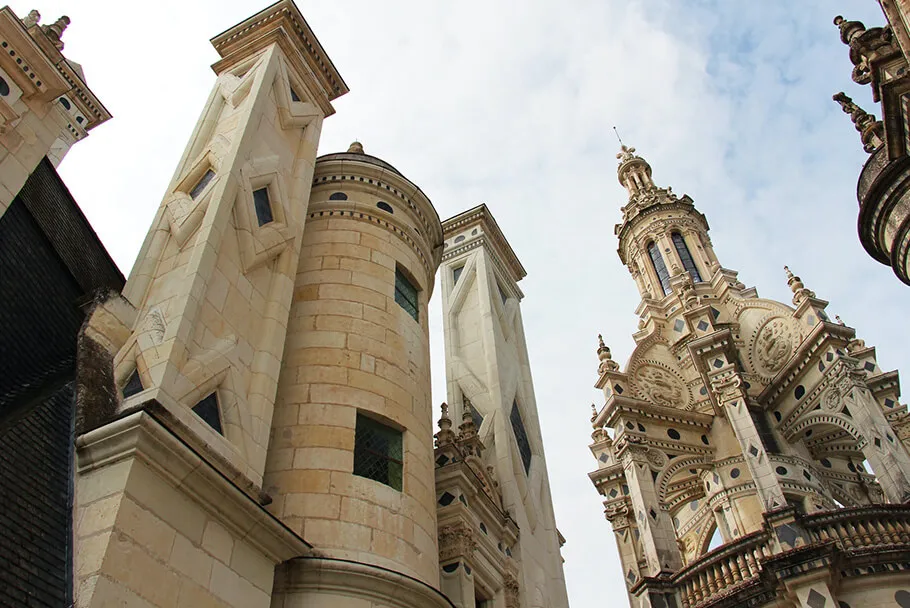
The last stage of our Loire trip then took us to Chambord, probably the best known of the Loire Valley châteaux. It stands in a 50 km² forest park enclosed by a 32 km wall: it is both the largest enclosed forest park in Europe and the largest of the Loire châteaux. Its construction began in 1519 under the supervision of Francis I. The château is also known for its double-helix staircase, probably designed by Leonardo da Vinci. Chambord was also heavily decorated for Christmas, and many period wooden games added to the visit.
In the evening, we drove back towards Paris and, after a few hours on the road, we slept at the Ferme d'Orsonville, a charming bed and breakfast in Villiers-en-Bière. The reason for this stop, not so far from home, was that we wanted to visit Vaux-le-Vicomte the next day.
(You sometimes need to zoom in quite closely on the area you are looking at for activities to appear.)
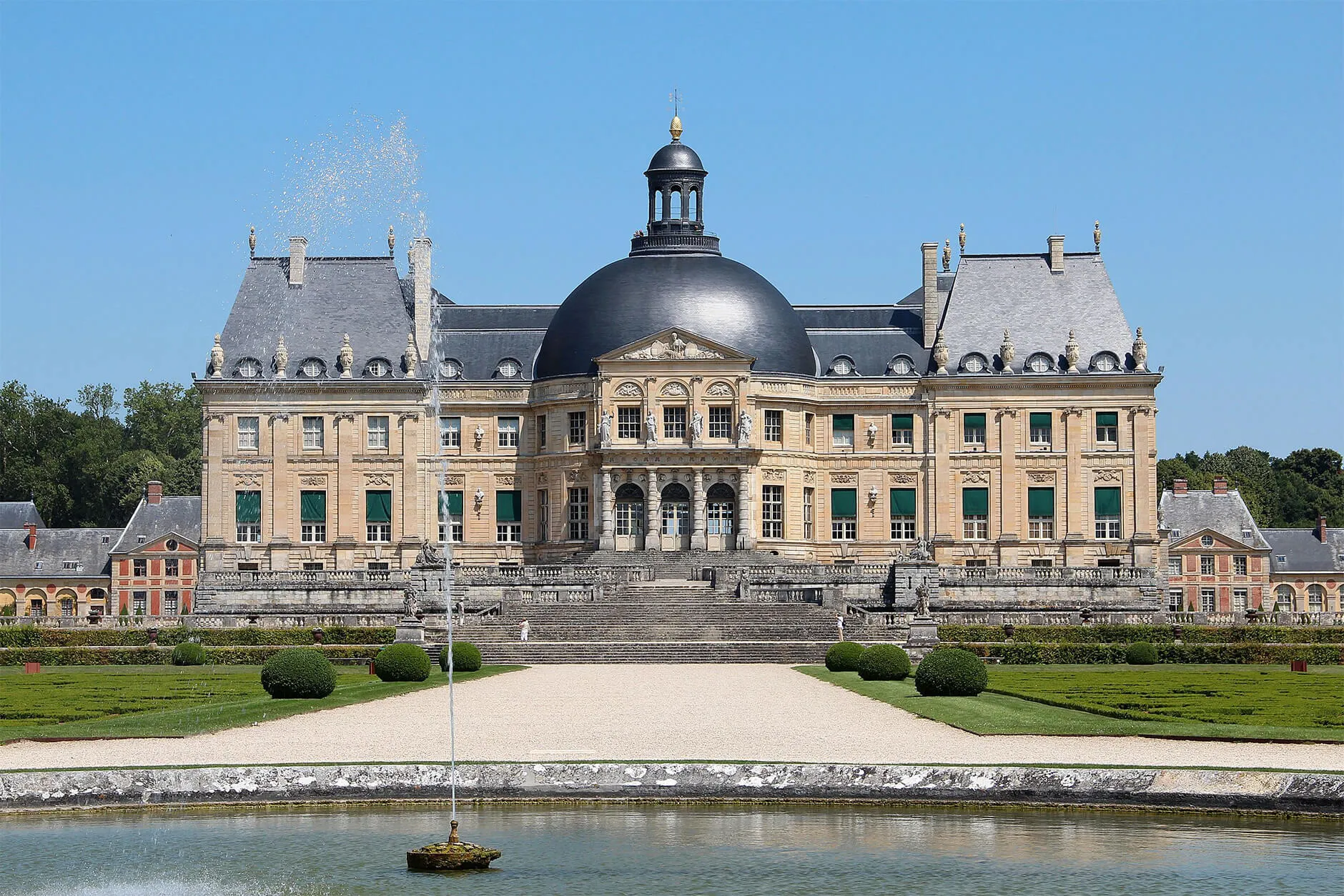
After breakfast, we left the farm for the last château of our road trip, Vaux-le-Vicomte (we were no longer in Loire château country). Built in 1656 for Nicolas Fouquet, Louis XIV's Superintendent of Finances, it was the work of three artists: Louis Le Vau (architect), André Le Nôtre (gardener) and Charles Le Brun (painter and decorator). After the famous party of 17 August 1661, the château aroused Louis XIV's envy, and it became a model for the whole of Europe, especially for the Palace of Versailles. As well as the château, we visited the gardens, where the square pool reflects the château 500 metres away.
Once the visit was over, we drove back to Paris to return the car. That ended our first visit to the Loire Valley châteaux; we will surely come back in summer to make the most of the gardens. Feel free to leave a comment or ask a question at the bottom of the page. See you soon.
Enjoyed this article? Pin it on Pinterest.
Follow us on social media to hear about our next trips. Feel free to leave a comment or ask a question at the bottom of the page. See you soon.